
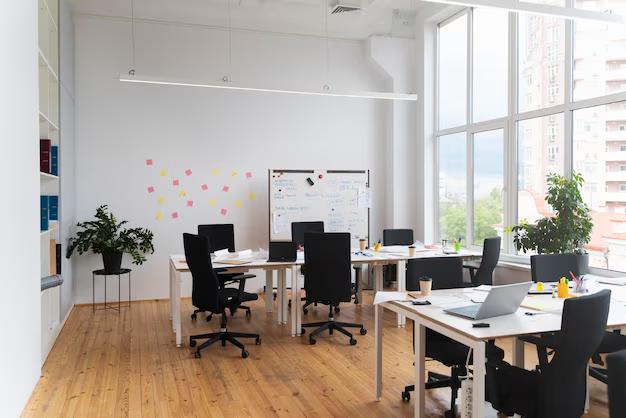
We have so many Office space with reputed builders.
1- Gaur City Center -Noida Extension
2- Gaur City Mall- Noida Extension
3- Galaxy Blue Sapphire – Noida Extension
4-IRIS Broadway- Noida Extension
Types of Office Spaces:
- Traditional Office Space:A conventional setup where a company leases or owns a dedicated building or floor, often featuring private offices and communal areas.
- Flexible Workspaces:Offer a combination of private offices and communal areas, allowing companies to share resources and reduce costs.
- Serviced Offices:Smaller, self-contained office units within larger buildings, with shared amenities like reception areas and meeting rooms.
- Coworking Spaces:Shared office spaces that offer a community environment for freelancers, startups, and small businesses.
Key Features of Office Spaces:- Workspaces:Areas designed for individual or team work, including desks, cubicles, and workstations.
- Meeting Spaces:Dedicated rooms or areas for meetings, presentations, and collaborative brainstorming.
- Support Spaces:Amenities like reception areas, kitchens, restrooms, and storage areas.
- Collaboration Zones:Areas designed to encourage interaction and teamwork, such as informal meeting spaces, breakout rooms, and common areas.
- Technology Infrastructure:Reliable internet access, phone systems, and other technology to support work activities.
Importance of Office Space:- Facilitates Collaboration and Communication:Office spaces provide a physical environment for face-to-face interactions, which can foster teamwork, idea exchange, and networking.
- Promotes Productivity:A well-designed office space can improve employee morale, reduce stress, and enhance productivity.
- Supports Employee Well-being:Office spaces should prioritize employee comfort, health, and safety through ergonomic furniture, natural lighting, and amenities like fitness facilities or relaxation areas.
- Reflects Brand Identity:The design and layout of an office space can communicate a company's culture, values, and brand image.
- Provides a Dedicated Workspace:Office spaces provide a dedicated environment for employees to focus on their work, separate from the distractions of home.
Office Space Management:- Planning and Design:Effective office space planning considers workgroup functions, building codes, lighting, teaming requirements, and storage needs.
- Technology Integration:Utilizing technology for space booking, visitor management, and employee wayfinding.
- Flexibility and Scalability:Adapting to changing business needs by creating flexible and scalable workspaces.
- Sustainability:Implementing sustainable design and management practices to reduce environmental impact.
Types of Office Spaces:
- Traditional Office Space:A conventional setup where a company leases or owns a dedicated building or floor, often featuring private offices and communal areas.
- Flexible Workspaces:Offer a combination of private offices and communal areas, allowing companies to share resources and reduce costs.
- Serviced Offices:Smaller, self-contained office units within larger buildings, with shared amenities like reception areas and meeting rooms.
- Coworking Spaces:Shared office spaces that offer a community environment for freelancers, startups, and small businesses.
Key Features of Office Spaces:
- Workspaces:Areas designed for individual or team work, including desks, cubicles, and workstations.
- Meeting Spaces:Dedicated rooms or areas for meetings, presentations, and collaborative brainstorming.
- Support Spaces:Amenities like reception areas, kitchens, restrooms, and storage areas.
- Collaboration Zones:Areas designed to encourage interaction and teamwork, such as informal meeting spaces, breakout rooms, and common areas.
- Technology Infrastructure:Reliable internet access, phone systems, and other technology to support work activities.
Importance of Office Space:
- Facilitates Collaboration and Communication:Office spaces provide a physical environment for face-to-face interactions, which can foster teamwork, idea exchange, and networking.
- Promotes Productivity:A well-designed office space can improve employee morale, reduce stress, and enhance productivity.
- Supports Employee Well-being:Office spaces should prioritize employee comfort, health, and safety through ergonomic furniture, natural lighting, and amenities like fitness facilities or relaxation areas.
- Reflects Brand Identity:The design and layout of an office space can communicate a company's culture, values, and brand image.
- Provides a Dedicated Workspace:Office spaces provide a dedicated environment for employees to focus on their work, separate from the distractions of home.
Office Space Management:
- Planning and Design:Effective office space planning considers workgroup functions, building codes, lighting, teaming requirements, and storage needs.
- Technology Integration:Utilizing technology for space booking, visitor management, and employee wayfinding.
- Flexibility and Scalability:Adapting to changing business needs by creating flexible and scalable workspaces.
- Sustainability:Implementing sustainable design and management practices to reduce environmental impact.